
Calculating Event Food Portions: A Guide to Smart Planning
Planning food quantities is the first step to a successful gathering. This guide helps you calculate portions based on guest counts and event style, ensuring everyone leaves fully satisfied.
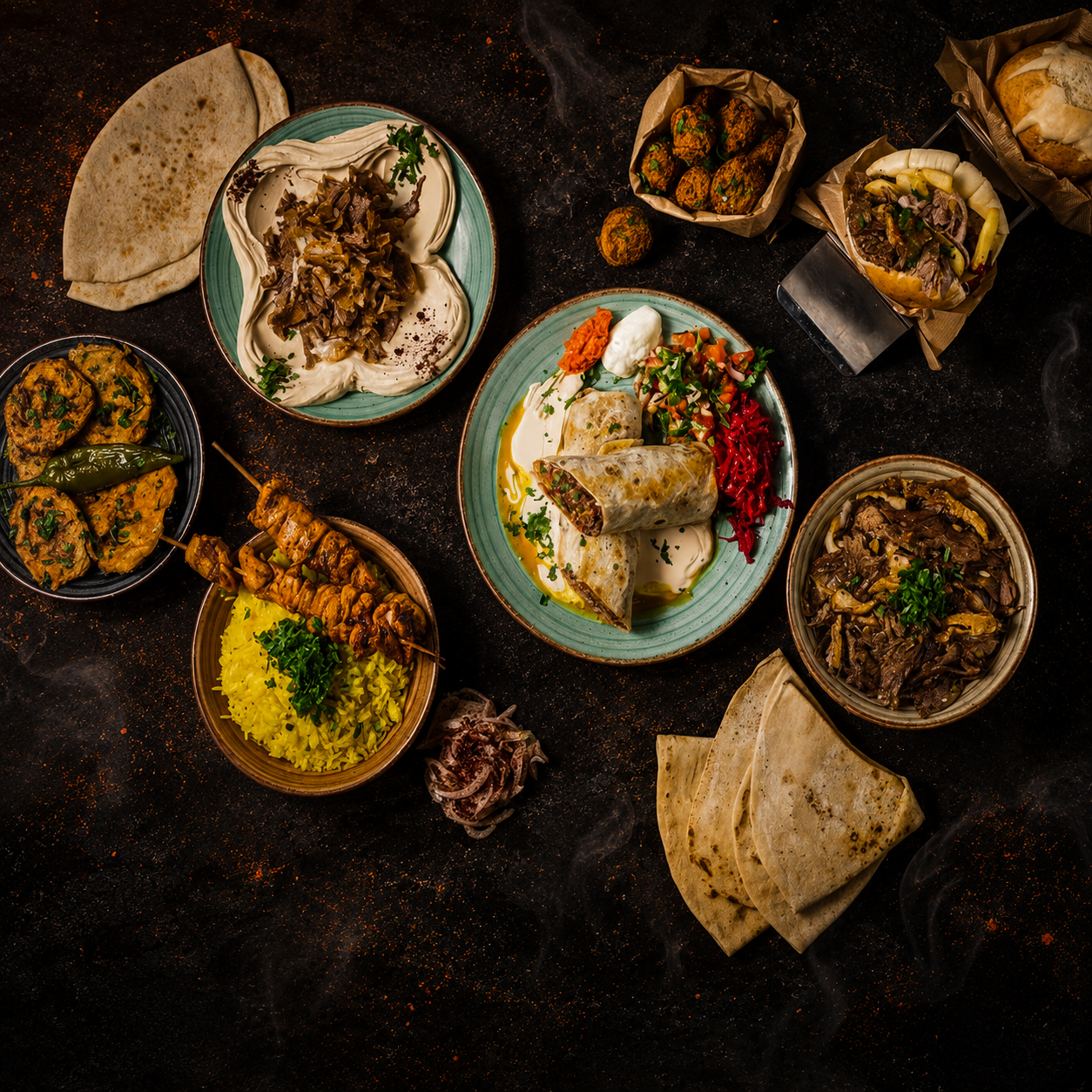
לאירוע רגיל מתכננים מנה עיקרית אחת לאדם בתוספת 10%–15% שולי ביטחון. כך לאירוע של 100 אנשים מכינים כמות ל-110–115 מנות. גיל הקהל, שעת ההגשה וגודל המנה (לאפה מול צלחת, למשל) משנים את המספר הסופי.
Accurate food calculation is an art of balancing generosity with waste prevention. The key lies in a modular approach: counting one main dish per adult with a ten percent buffer for those with bigger appetites. At service stations like Shaabi, you should aim for quantities that allow for refills without creating bottlenecks.
Don't Rely on Guesses
Start by mapping your guest profile. Daytime events typically require more protein compared to lighter evening social gatherings. Look at your menu as an architectural structure; what is the centerpiece around which everyone gathers? When choosing the heart of local culinary tradition, the portion size should reflect the warmth you intend to provide.
Event Flow Impacts Consumption
Standing events encourage measured, continuous grazing compared to seated dinners. With guests arriving at food stations in staggered intervals, you can manage your inventory more effectively throughout the event duration.
Managing Inventory in Practice
To maintain freshness, display food in smaller batches that are replenished constantly. This prevents dishes from cooling down and ensures every guest receives the exact flavor profile they expected, regardless of when they arrive.
- Always consider warm sides as an essential component.
- Leave room for guests who return for a second round.
- Prioritize personal service over massive, cooling platters.
Quick questions, clear answers
- Should I count a portion for every child? Usually, children consume half an adult portion.
- What do I do with leftovers? Plan ahead by providing takeaway containers for guests.
- How do I prevent long lines? Distribute service stations throughout the venue.
Choosing the right path to start your planning is the first step toward a successful event. We invite you to contact us to turn your logistical challenge into a genuine culinary celebration.
FAQ
כמה גרם בשר לאדם באירוע?
המדד המקובל הוא 180–220 גרם בשר/חלבון לאדם כמנה עיקרית. כשמגישים גם תוספות חמות וסלטים, אנשים לרוב לא מגיעים לסיבוב שני ולכן אפשר לחשב בצד הנמוך של הטווח. לאירוע עם בני נוער או עובדי כוח — כדאי להעלות ל-250 גרם.
כמה אחוז שאריות זה נורמלי?
10% שאריות בסוף האירוע נחשב תכנון טוב ומקצועי — זה אומר שלא נגמר אוכל ולא הוזמן יתר על המידה. מעל 20% כבר מצביע על חישוב לא מדויק. מי שמתכנן מראש אפשרויות אריזה לאורחים מצמצם בזבוז בלי לשנות את הכמויות.
האם ילדים אוכלים חצי מנה?
בממוצע כן, אבל זה תלוי בגיל ובסוג המנה. ילד בן ארבע יאכל שליש מנה; ילד בן אחת עשרה עשוי לאכול כמעט מנה מלאה. מנה גדולה כמו לאפה ממולאת תשאיר יותר שאריות מאשר חצי פיתה קטנה.
איך שעת האירוע משפיעה על הכמות?
אירוע בשעות אחר הצהריים (שלוש עד חמש) ידרוש כ-60%–70% מכמות ארוחת ערב — אנשים מגיעים אחרי ארוחת צהריים. ארוחת ערב מאוחרת שמתמשכת עד אחת עשרה לילה דורשת חישוב מלא, ולפעמים גם מנה נוספת לקראת סוף הערב.
מה ההבדל בין בופה עמידה לארוחה ישבונית מבחינת כמויות?
בבופה פתוח הקהל מגיע בגלים ואפשר להוציא אוכל בהדרגה — זה מאפשר גמישות וחיסכון. בישיבה סביב שולחנות כל הכמות חייבת להיות מוכנה ומוגשת בו-זמנית, מה שמחייב חישוב הדוק יותר מראש ולרוב גם שולי ביטחון גבוהים יותר.