
Fire, Rhythm, and Patience: What Happens Around the Spit
Preparing shawarma is a dance with fire. Discover how heat management, patience, and rhythmic attention transform quality ingredients into a culinary experience.
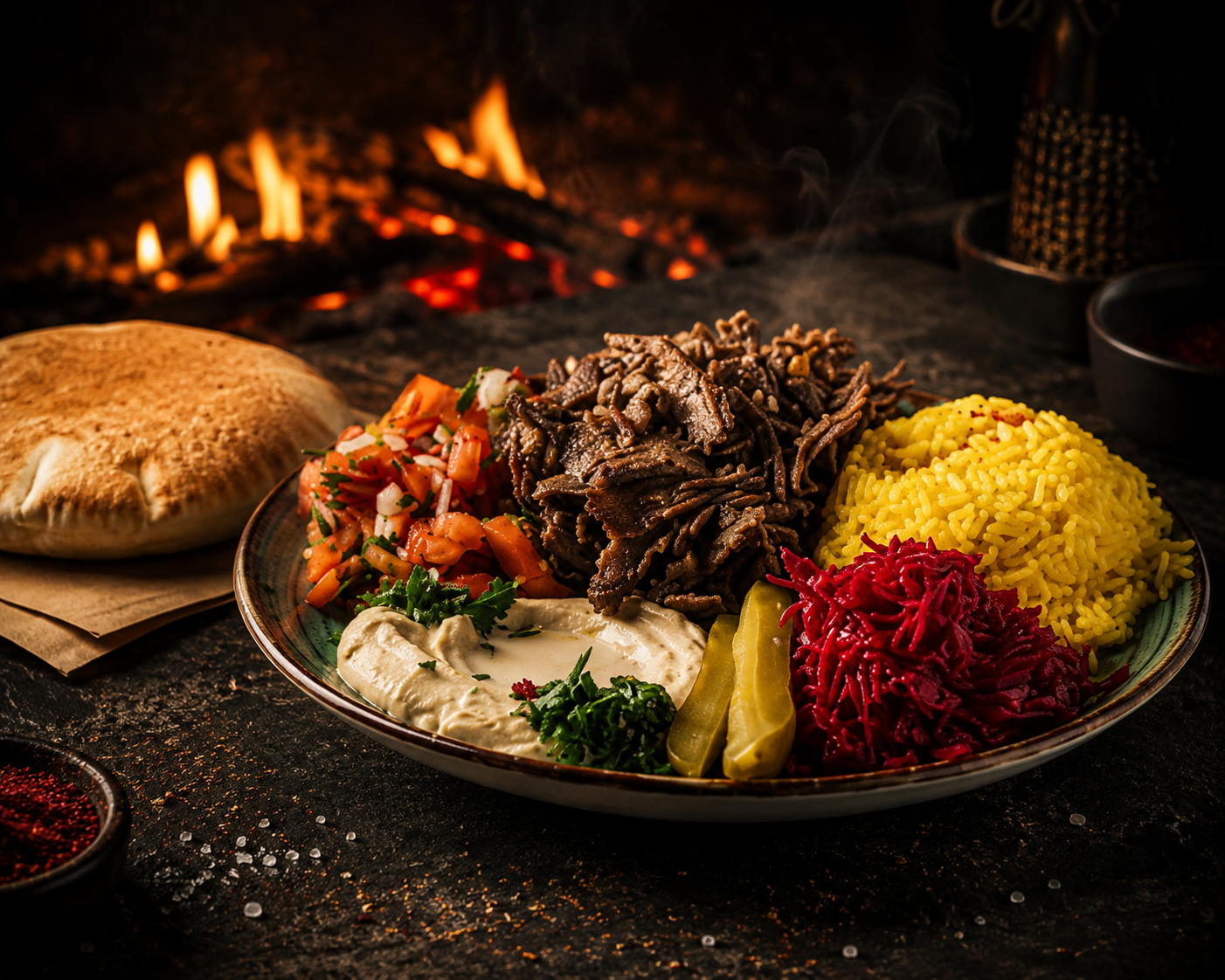
שווארמה טובה תלויה בשלושה גורמים שפועלים יחד: עוצמת האש ומרחקה מהבשר, הקצב שבו השיפוד מסתובב וייחתך, והסבלנות לאפשר לכל שכבה להגיע לשיאה לפני ההגשה. בלי שלושתם ביחד — הבשר ייצא יבש, חסר עומק, או שניהם.
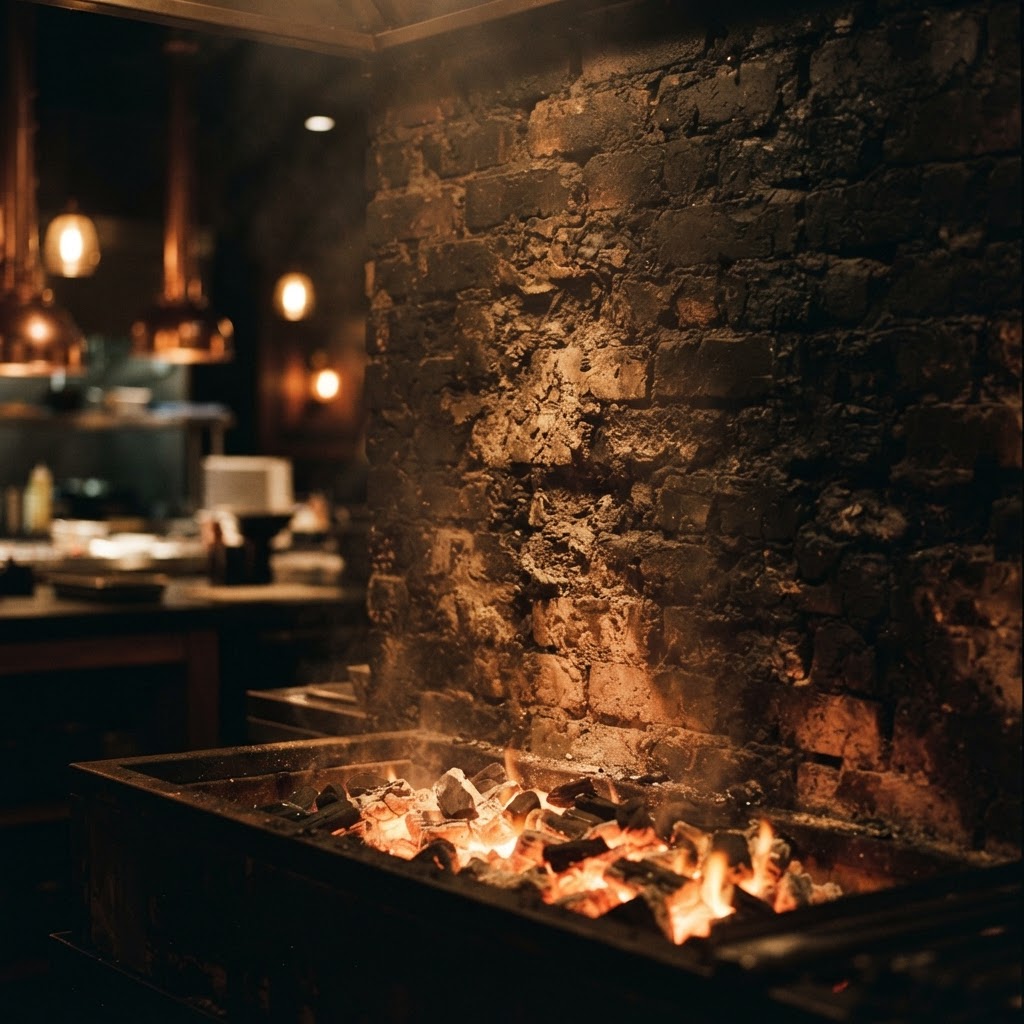
At Shaabi, our relationship with fire is one of mutual respect. It is not just about roasting; it is a meticulous process that requires constant attention. Fire is our primary partner, and we aim to master its intensity to preserve the natural character of our quality ingredients.
The Dance with Fire
Heat management is the cornerstone of our craft. As the spit rotates, we constantly adjust the distance and intensity of the flame. This ensures that every layer of the spit receives consistent, perfect heat, balancing an outer sear with a tender, juicy core.
The Rhythm of Service
Our rhythm at the spit is guided by the meat itself. We do not prioritize arbitrary speed; we prioritize the peak of the roasting process. When the meat is ready, the flavor is at its absolute best. Our workflow is designed to respect this timing, ensuring every customer gets a fresh, high-quality serving.
Patience as a Core Ingredient
We view patience as an essential ingredient. Allowing the meat to roast at its own natural pace ensures the spices bloom and the texture reaches its potential. At Shaabi, we believe in doing it right rather than doing it fast, and we hope you can taste that dedication in every bite.
- Controlled heat management for an optimal roast.
- Listening to the rhythm of the roasting process.
- Respecting the time needed to reach peak flavor.
Quick questions, clear answers
- Why is fire management important? Excessive heat can ruin the texture and flavor.
- What is the "rhythm" of the spit? It is the balance between constant rotation and even heat.
- Why is patience required? Quality in roasting cannot be rushed; time builds depth.
We invite you to experience the heartbeat of Shaabi. Visit our nearest branch to taste the difference that patience and care make in every meal we serve.
FAQ
למה חשוב לנהל את המרחק בין הבשר לאש?
חום קרוב מדי שורף את השכבה החיצונית לפני שהחום מגיע לפנים — התוצאה היא קרום חרוך ובשר לא מוכן. חום רחוק מדי מייבש את הבשר בלי לפתח את הצריבה שנותנת טעם. המרחק הנכון תלוי גם בסוג הבשר: כבש שומני יכול לעמוד בחום גבוה יותר מהודו רזה.
מה זה "קצב החיתוך" ולמה הוא חשוב?
קצב החיתוך הוא תדירות ועיתוי הגרידה מהשיפוד. חיתוך בזמן הנכון — כשהשכבה החיצונית קריספית ועסיסית — נותן מרקם אידיאלי. חיתוך מוקדם מדי חושף שכבה לא מוכנה, ואיחור גורם להתייבשות. בשעות עומס השיפוד נחתך לעיתים קרובות יותר, מה שבדרך כלל שומר על עסיסיות.
האם כל סוגי הבשר מתנהגים אותו דבר מול האש?
לא. כבש, בזכות השומן הבין-שרירי שלו, מסוגל לעמוד בחום גבוה יותר — השומן נמס ומשמן את הנתח מבפנים. הודו, שרזה יותר, מאבד לחות מהר ודורש חום יציב יותר. עגל נמצא בין השניים. לכן שיפוד מיקס — משילוב כמה בשרים — מחייב קצב חיתוך שמתחשב בכולם.
מתי בדיוק יודעים שהשכבה מוכנה לחיתוך?
שלוש אינדיקציות: צבע — שכבה חיצונית בגוון זהב-חום עמוק; מרקם — קרום שנראה יציב אך לא שחור; וצליל — צלייה שקטה ואחידה לעומת קולות חדים שמסמנים שומן שנשרף. עם הניסיון, הקצב הופך לאינטואיציה — אבל בתחילת הדרך כל שלושת הסימנים חשובים.
האם הסבלנות בצלייה באמת משנה טעם, או שזה שיווקי?
יש לזה הסבר כימי: תבלינים משחררים ארומה (blooming) רק כשהם חמים ובמגע עם שומן. תהליך זה לוקח זמן. שיפוד שנחתך מוקדם מדי — עדיין לא השלים את החדרת הטעמים. בנוסף, קולגן בבשר הופך לג'לטין לאורך זמן ומוסיף לרכות. אלו לא טענות שיווקיות — הן תהליכים שניתן למדוד.